
Get Social 


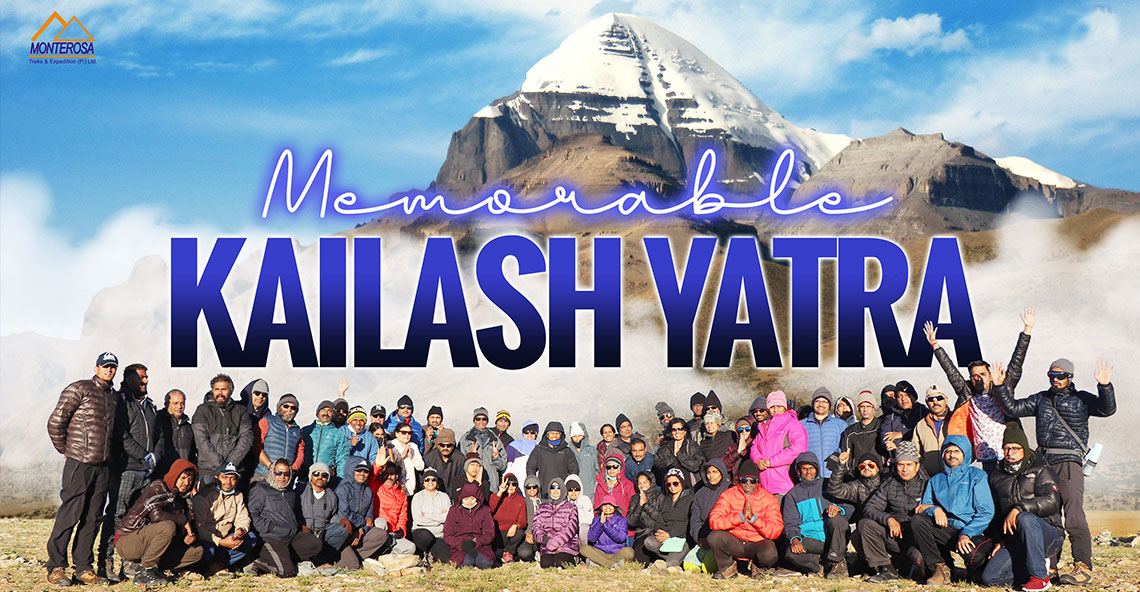
Kailash is Located in a high mountain area in the south western part, Tibet is a province-level distractive region of China. Throughout history, Tibet is a self-Governed and independent state. Tibet had a theocratic Government for centuries that was governed by a religious leader (Buddhist Lamas or Monks). In 1959, the Dalai Lama was the head of Tibet. In the name of Cultural Revolution Tibetan surrounded the place of Dalai Lama and he fled to India during a Tibetan revolt against Chinese control in the region. China took full control over Tibet in 1965 A.D replacing the theocracy with a communist administration.
The highest plateau on the earth, Tibet is also called the roof of the World which covers an area of 1,222,000 sq. kilometers. Southern part of Tibet is entirely occupied by the Himalayas, and many of the world’s highest summits are located in the main Himalayan Chain.
Lhasa is the administrative capital of Tibet. The Brahmaputra, The Sutlej, The Indus, The Ganges and some other rivers originate from the Himalayas of Tibet. It usually has a dry and cold climate with an average annual temperature. On a typical summer day, the temperature can rise from 5 degrees before sunrise to 25 degrees by midday. Temperatures in Tibet are always fluctuating.
The glacial meltwater in Lake Manasarovar is exceptionally pure, fresh, and cold, making it one of the highest freshwater lakes in the world. It is revered in Hinduism and Buddhism for its spiritual cleansing properties, and pilgrims bathe in and drink its water to attain enlightenment and purify themselves. As a result of its remote location, freezing conditions for part of the year, and depth, the lake has a pristine clarity and sanctity. Located 58 kilometers south of Mount Kailash in Tibet, Lake Manasarovar is a sacred freshwater lake revered by Hindus, Buddhists, Jains, and Bonpo followers for its purity, believed to cleanse sins and offer spiritual liberation, making Kailash Manasarovar Yatra a major pilgrimage featuring breathtaking scenery and challenging Kailash Kora (circumambulation). Its crystal-clear, cold waters are considered holy, with pilgrims often drinking or taking a dip in the water for good luck and health.
Lake Manasarovar kora begins from Hor where road divides. One road goes to Darchen and the other road goes to Chiu Buddhist temple and bottom of Chiu Gompa where guest houses or mud huts are situated near the lake. Taking a "half kora" from Hor to Chiu Monastery involves a scenic drive or partial drive around Lake Manasarovar, offering stunning views of Mount Kailash, with Chiu Monastery being a key holy site. Taking a "half kora" from Hor to Chiu Monastery involves a scenic drive or partial drive around Lake Manasarovar, offering stunning views of Mount Kailash, with Chiu Monastery being a key holy site. It is typical to perform the Lake Manasarovar full kora (circumambulation) after doing Mount Kailash kora (parakrama). Manasarovar is well known for Rudrabhishek, Hawan & Arati for Kailash Yatri.
Its Purity is characterized by:
Spiritual Significance & Purity:
What our client's says about Kailash yatra and tour operator





monterosa-nepal.com nepalexpedition.com
© kailashtourpackage.com - 2026
Online Payment 
Terms & Conditions
Site Design By: Webdesigninnepal.com